Context-aware procedural cognitive aid
The right reminder.
At the right moment.
ProcedurePause recognizes critical moments during procedures and delivers the cognitive checks clinicians choose, exactly when they're relevant.
AI determines when. Clinicians determine what.
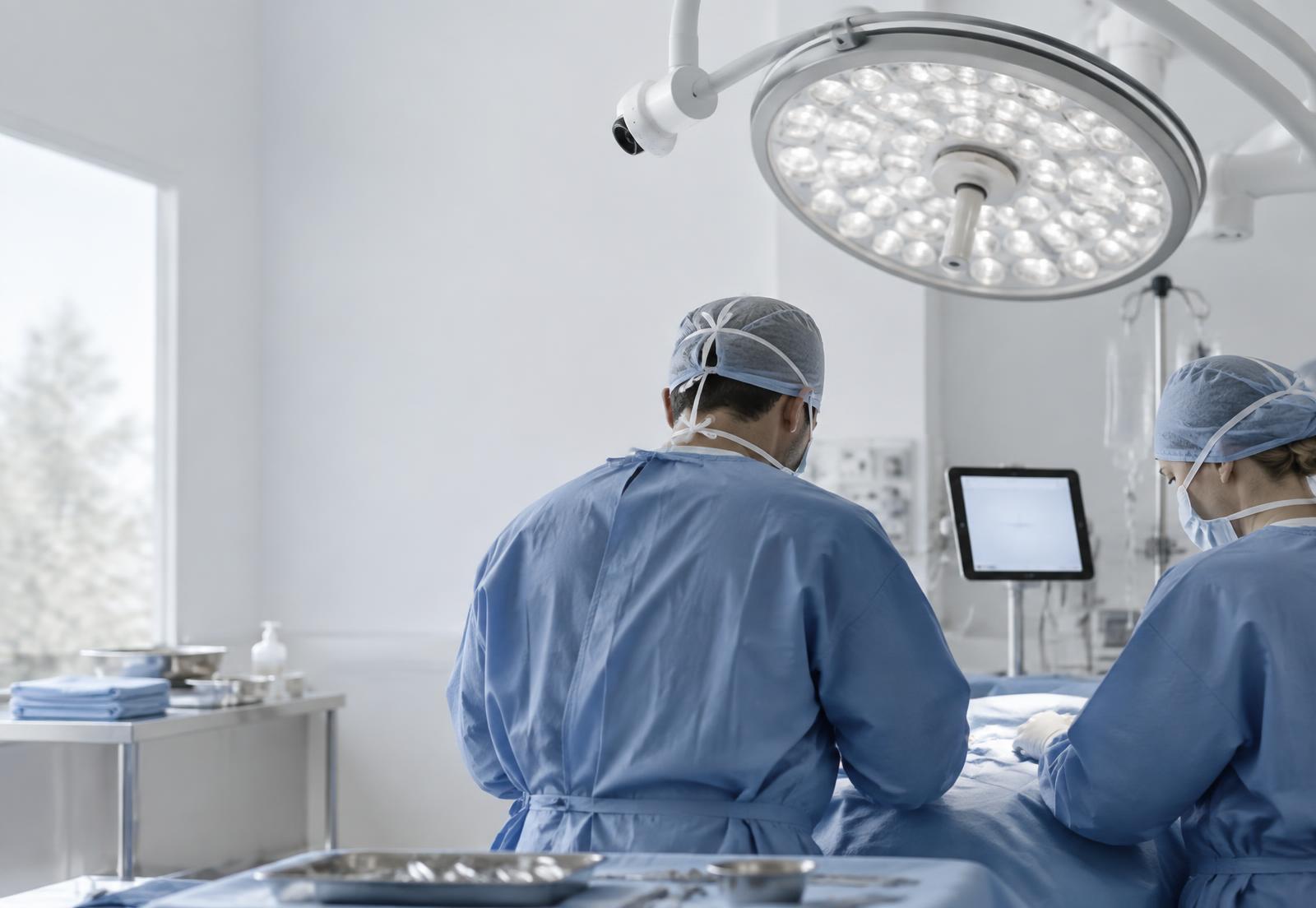
The problem
Expertise doesn't eliminate human error.
Experienced clinicians know the important checks. But procedures are complex environments. Attention is divided, interruptions happen, routine creates familiarity, and important cognitive checks can be missed.
Traditional checklists happen before or after procedures. ProcedurePause brings the checklist inside the procedure, at the moment it matters.
Before procedure
Traditional Time-Out
During procedure
ProcedurePause
Context-aware cognitive checkpoints
After procedure
Traditional Debrief
How it works
Procedure-aware. Not procedure-directing.
Observe
A small ambient sensor sees and hears the procedural environment. Visual cues can include the procedural field, instruments, instruments being passed, procedural monitors, speech, and workflow patterns.
Recognize
ProcedurePause recognizes when a predefined procedural checkpoint is approaching. It does not need to determine what the clinician should do.
Pause
A brief predefined cognitive prompt appears or is spoken. Usually only 1 to 3 times during an entire procedure.
Continue
The clinician acknowledges, defers, or dismisses the prompt and continues. ProcedurePause never controls the procedure or equipment.
Illustrative example — laparoscopic cholecystectomy
A five-second pause can happen at exactly the right time.
Simulated procedural workflow
- Exposure
- Dissection
- Critical View
- Clipping / DivisionProcedurePause
- Removal
As the procedure approaches clipping and division, ProcedurePause recognizes that a predefined checkpoint is near and surfaces the prompt the clinician selected. The system does not determine whether the Critical View has been achieved — the clinician makes that determination.
Illustrative example. Procedure-specific cognitive prompts should reflect applicable clinical guidance and institutional or clinician-selected protocols.
Customization
Your procedures. Your pauses. Your reminders.
ProcedurePause is configured around the clinician. Choose how many pauses a procedure has, where they occur, how much detail each prompt carries, and which checks appear.
Prompt detail
Checklist
Interface concept shown. Configuration options are illustrative.
ProcedurePause Standard
Expert-developed, evidence-informed cognitive prompts.
Institution Protocol
Checkpoints selected or adapted by the health system or training program.
My Pauses
Personal reminders selected by an individual clinician.
Training and residency
Teach at the moment it matters.
ProcedurePause is designed to work as a just-in-time procedural teaching tool for residents and fellows. The same checkpoint can carry a different level of cognitive support depending on who is at the field.
Before division — Junior Resident
- What structures are entering the gallbladder?
- What criteria establish the Critical View?
- Is anything inconsistent with the expected anatomy?
Clinician-selected prompt. Acknowledge, defer, or dismiss.
The checkpoint stays the same.
The level of cognitive support changes with the learner.
Potential users
- Surgical residencies
- Anesthesia residencies
- Critical care fellowships
- Emergency medicine programs
- Procedural training programs
Beyond the operating room
One platform. Every procedural environment.
The underlying architecture is procedure-based rather than surgery-specific. A checkpoint is defined by procedural context, not by a single specialty.
Operating Room
Open, laparoscopic, and robotic procedures
ICU
Central lines and other bedside procedures
Emergency Department
High-acuity procedural workflows
Interventional Suites
Procedure-specific cognitive checkpoints
Illustrative example — bedside procedure
The same idea applies at the bedside.
ProcedurePause can recognize procedural context and surface predefined institutional or clinician-selected cognitive prompts without making the clinical decision itself.
Central line — simulated workflow
- Preparation
- Access
- WireProcedurePause
- Dilation
- Catheter
- Completion
Intentionally generic illustrative example. Content is defined by the institution or clinician.
For hospitals and health systems
Make important procedural behaviors easier to perform consistently.
Standardization
Deliver approved cognitive prompts at relevant procedural moments.
Documentation
Timestamp prompts and acknowledgements when appropriate.
Education
Bring procedural teaching into the procedure itself.
Customization
Support institutional protocols while allowing appropriate clinician preferences.
A different approach
We don't teach experts how to do their job.
We help put the right thought in front of them at the right moment.
Traditional surgical AI
- Analyzes anatomy
- Scores performance
- Provides retrospective analytics
- May recommend actions
- Focuses on the surgical image
ProcedurePause
- Recognizes workflow
- Anticipates predefined checkpoints
- Delivers cognitive reminders
- Keeps clinical judgment with the clinician
- Can understand context beyond the surgical field
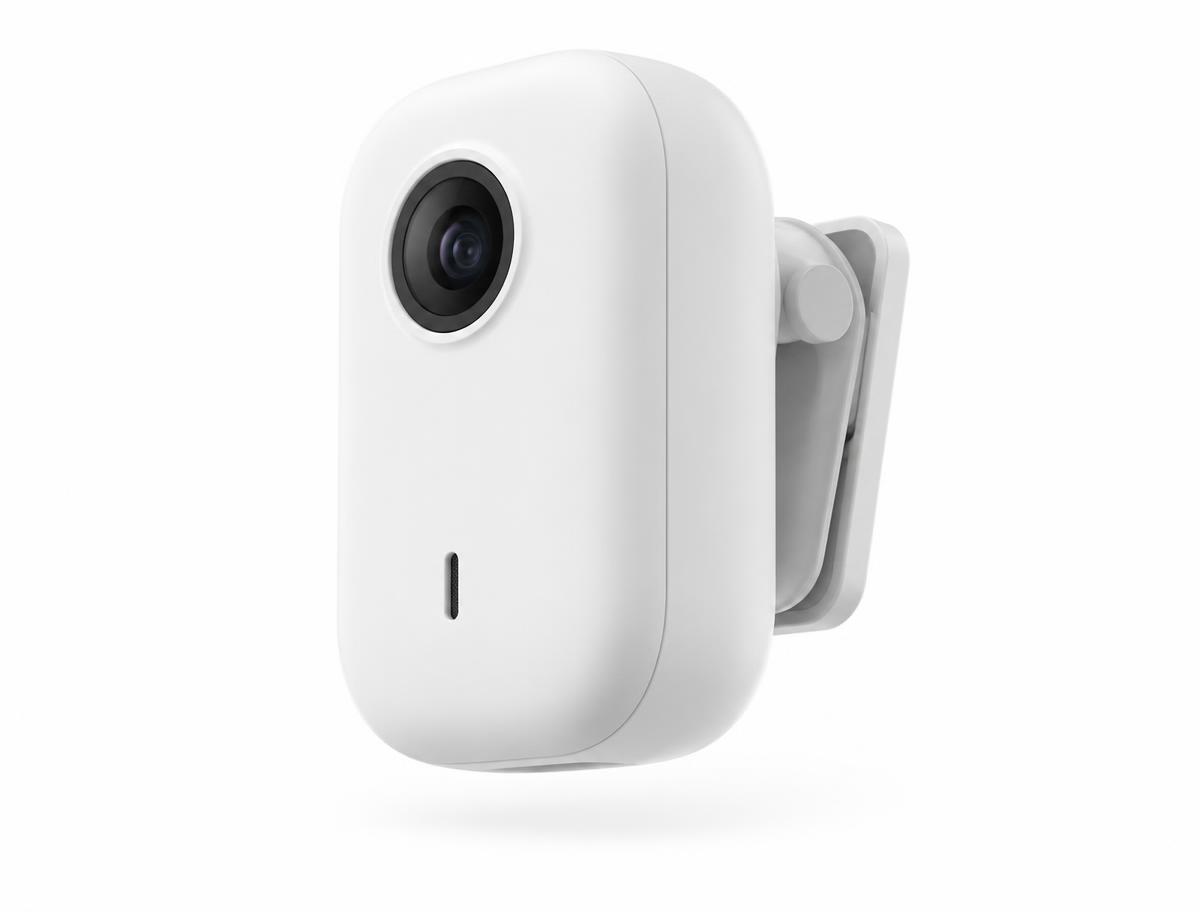
ProcedurePause Sensor Concept
Designed for the room you already have.
A small camera and microphone module, an overhead-light mount, a replaceable daily battery, and a nearby tablet interface. No integration with surgical equipment is required.
- Wireless
- Battery powered
- Ambient video + audio
- Simple mounting
- No equipment control
- 1. Small wireless camera and microphone mounted near the procedural field.
- 2. Wide view of the procedural environment, not an anatomy-only camera.
- 3. Nearby tablet provides the interface and voice prompts.
Product concept shown. Final hardware configuration may vary.
Procedural cognitive library
Built around how experienced clinicians actually think.
ProcedurePause protocols are being developed to capture the small number of cognitive checks experienced clinicians consciously make before consequential procedural actions.
The goal isn't to create another textbook. It's to capture the 1 to 3 thoughts worth remembering at the moments they matter most.
Clinical collaboration
Built with clinicians, not for them.
We are developing ProcedurePause with surgeons, proceduralists, educators, and healthcare leaders.
We are interested in collaborating with
- Academic medical centers
- Residency and fellowship programs
- Medical directors
- Patient safety leaders
- Procedure experts
- Clinical researchers
What should you never forget during a procedure?
We're building ProcedurePause around the cognitive checks experienced clinicians actually use.